
Article Type: Research Article, Volume 2 Issue 2
*Corresponding author: Mamadou Makan Kanoute
Department of Epidemiology and Evidence-Based Medicine, First Moscow State Medical University, Russia.
Email: mamadoumakan628@gmail.com
Received: Jun 04, 2025 Accepted: Jul 08, 2025 Published: Jul 15, 2025
Citation: Onyemaechi EA, Koshechkin K, Kanoute MM. An overview: Challenges and concerns in adopting health technology in Northern Nigeria. Ann Case Rep Med Images. 2025; 2(2): 1026.
Copyright: Kanoute MM et al. © All rights are reserved
The integration of ICT in the health sector offers numerous benefits, such as enhanced management efficiency, optimized organizational structures, and streamlined data handling. However, this review highlights significant barriers to digital health integration In Northern Nigeria, such as inadequate infrastructure, policy gaps, and literacy challenges. Over the last decade, the Health industry worldwide has engaged in the mass integration of various technologies into this industry, downsizing running costs while maximizing the efficiency of limited human resources and service delivery. However, health sectors globally do not equally benefit from this adoption. Literacy and social infrastructure, among other economic indicators, are among the major factors impeding the development in this regard as this study aims to demonstrate. This Review discusses key barriers and concerns encountered with the integration of digital health in Sahelian Nigeria. An extensive search for relevant literatures was performed across multiple Database. Addressing these challenges necessitates a comprehensive strategy, encompassing curriculum restructuring to advance healthcare digitalization, implementing policies that foster technological development and adoption, and investing in adult education to facilitate modern technology utilization.
Keywords: Digital technology; Medical technology; Wearable devices; Security and privacy; eHealth; Sahel.
Health science stands as one of the most dynamic and innovative scientific Discipline. According to Research! America, U.S. investment in medical and health research and development from 2016 to 2020 amounted to $245.1 billion. Industry spent $161.8 billion (66.0%) on medical and health research and development. Federal departments and agencies invested $61.5 billion (25.1%) [1], the result of this radical spending is evident in the healthcare systems not only within these countries. Enormous Multifaceted progress and development within this field have necessitated the need to innovate means of bridging gaps between information organization, management, and service delivery in the healthcare sector ultimately targeting enhanced efficiency. The need for such was identified and remedied through the incorporation of information communication technology. This increased efficiency, management, organization, and security among many other things. As a result, a unique class of terminology, including digital health, telemedicine, Medical Informatics (EFMI), and artificial intelligence in healthcare, has emerged as a result of the advent of ICT in the healthcare industry.
Digital Health encompasses eHealth, health informatics, telehealth, eHealth, health IT, and health technologies, as well as all cases where health is delivered and accessed electronically [2]. Increased digital health and social care services are generally considered to improve people’s access to services [3]. while this statement Is true, it is however not true for [4] all healthcare systems around the world, Despite widespread adoption of DHTs by primary care clinicians, documented challenges have contributed to inequitable use and benefit [5] this problem is more evident in regions or countries dealing with access with basic infrastructures.
In Nigeria, specifically the Northern Region, Public ties, are compounded by a growing digital divide [6], It is noteworthy to understand the literacy level in this region; in 2010 literacy rates were 79 percent in the South-West region and 17 percent in the North-East region [7], this figure is rather worrisome when considering the scope that Nigeria entirely still lags behind the world median line of literacy rates, Nigeria has one of the lowest literacy rates in the world [8] This challenge not only impacts the consumer’s ability to efficiently profit from the use of Digital health care but rather far worse and hence problems arise in the utilization, implementation, maintenance, and improvement of this systems. However, disparities in internet access, digital literacy, and availability of devices hinder the implementation and adoption of digital health interventions in Northern Nigeria [9]. Even with the worldwide push towards universal health coverage, half of the world’s population still lacks access to basic medical care. Approximately 12% of the global population (800 million people), spend more than 10% of their household income on health care, pushing almost 100 million people into extreme poverty annually because of Out-Of-Pocket (OOP) medical costs [10]. The discussion on equitable access is furthered by [11] who report that when digital health is not well projected, it could result in increased inequalities in healthcare, affecting the treasured worldwide goal of achieving universal health coverage. In Aware of this risk, a proposed digital health strategy is that policy-makers, medical experts, and patients should work together to design, execute, and disseminate digital health initiatives. Moreover, advocates for multi-level knowledge exchange and practical knowledge application on digital innovations for equitable access to health [11].
Nigeria is a leader in Healthcare innovation and technological progress within Sub-Saharan Africa [12], notwithstanding, There is limited empirical research that examines the intersection of digital health access and public health delivery in Northern Nigeria—a region characterized by lower literacy rates, higher poverty levels, and a largely rural population. Furthermore, few studies have evaluated how cultural, infrastructural, and gender-based barriers interact to widen the digital divide in this region. However, equitable access to digital health remains a challenge for varied reasons, key among them being the lack of connectivity [13], widespread mobile phone penetration, and innovative solutions such as the M-Pesa payment system [24]. As Africa’s most populous country, Nigeria combines immense potential with significant obstacles, characterized by a burgeoning tech sector juxtaposed against critical gaps in healthcare infrastructure [14], slow diffusion, limited adoption, and digital illiteracy [15] There is also a lack of community-centered research that incorporates the voices of marginalized groups in understanding the barriers to digital health access. Over time, innovative approaches continue to be proposed in support of digital health, such as frameworks to advance digital health for UHC [16].
Security and privacy by design are important paradigms for establishing high protection levels in the eHealth domain. This means that security requirements and privacy concerns are considered and analyzed from the very beginning of any system design [17]. Cloud computing. It allows accessing a lot of data with easier handling techniques and lets consumer use their files without downloading them. This makes management easier, needs less maintenance, and saves costs [18] Primarily the concern is over data privacy and security [18], while the quality of education in some areas where this digital health technology would be used is immensely lagging and thus might not be able to safeguard the integrity of this technologies either from perpetrated attacks or use them in a method that would make them less prone to such attacks, the skill of possible attackers is usually equally low but fast pace developing. In the United States, an estimated 34.9% of healthcare organizations reported breaches in 2023, emphasizing the urgency of robust security measure [19].
Recent advances have led to the emergence of Electronic Health (E-health), largely made possible by the massive deployment and adoption of Information and Communication Technologies (ICTs). However, cybercriminals and attackers are exploiting vulnerabilities associated primarily with ICTs, causing data breaches of patients’ confidential digital health information records [20], this weakness in health technologies has been studied and demonstrated by experts and amateurs alike, And just last year, prolific health care security researcher Billy Rios announced that he found that serious vulnerabilities in several drug infusion pump models manufactured by Hospira made it possible for an attacker to remotely administer fatal drugs to patients without a trace [21], Radcliffe’s research presented a similar but serious case of weakness in insulin pumps, a diabetic himself and a security professional by day, Radcliffe had turned his nighttime hobby hours to tinkering with his insulin pump to see whether it was hackable. The culmination of his work was a live demonstration showing that it was possible to remotely deliver lethal doses of insulin to patients [22]. The future healthcare industry will be information-centric allowing us to manage complexities. With cloud computing, Electronic Health Records (EHRs) are maintained. These records need to be protected. Unauthorized access, data theft, data manipulation, phishing, and Denial-Of-Service (DoS) attacks are the emerging threats to digital health [23].
Although there are innumerable ways of exploiting weaknesses in digital technologies, the most common ways as observed by most researchers remain by category; common categories, include coding defects, software design flaws, absence of tamper-proofing, third-party vulnerabilities, and network misconfigurations [22]. Problems arising from this categorization are broader and more serious, for instance, a design flaw may not simply be Mechanical, architectural, or engineering inefficiencies in devices but could present itself more subtly. In the seminal proof-of-concept academic research performed by Kevin Fu and his team of collaborating researchers in 2008 [22], this is more worrisome considering the scale of medical devices lacking basic data encryption as noted A majority of medical devices implement little to no command authorization and encryption schemes, meaning that malicious attackers can remotely extract sensitive health information from medical devices, or even take control of the device to issue possibly fatal commands [24]. Sadly, security gaps in medical devices might continue to persist as manufacturers bid to safeguard their reputation as the major incentive, meanwhile, existing regulation gives medical device manufacturers little incentive to improve the security of their devices.
Most applicable policy takes the form of guidelines that manufacturers are not required to follow. Since the economic environment pushes for more features and increased device reliability, manufacturers do not adequately consider security when designing devices [25]. And because of the cost, energy, and resources required especially in new designs, manufacturers underplay upgrades in medical devices in the United States especially as noted; Manufacturers have two options to receive FDA approval for Class III medical devices, for devices “substantially equivalent” to already approved devices, the manufacturer can simply show that the new medical device approximates the existing device in both usage and technical specifications. Otherwise, the manufacturer must undergo an analysis process to demonstrate the safety of the medical device; in this case, the FDA may require data such as results from clinical trials and laboratory testing [26]. Concerning cloud computing Strangely though, major data security threats don’t arise from the loophole within the program design but rather; Two of the major issues facing healthcare data security include user errors in the adoption of technology and lack of awareness in capturing and storing data [18] means of data protection may include The confidential data can be protected by securing the system with authentication and authorization tools, transmitting the data in encryption form, and using the trusted cloud computing service providers [27], while issues facing digital technologies in developments are usually induced by cost reduction, profit maximization and improved efficiency, its quiet different in northern Nigeria as the digital gap in Nigeria is caused by infrastructural inequalities and deficit and intentional institutional and political phenomenon [28].
Literature review and data collection
A comprehensive search was performed across pubMED, Google scholar and a Manual exploration of relevant journal article reference lists was utilized based on their credibility, relevance, and inclusion of collections from diverse sources. The search focused on the document title and abstract to identify articles relevant to the study. Google Scholar was used to contain academic resources across disciplines and source types. The choice of Google Scholar was also due to its accessibility and potential to uncover research from developing countries, which may be in avenues not listed among the established databases used for this study, to ensure the inclusion of high-quality and relevant studies in this review, specific exclusion criteria were applied during the screening process and items with no relevance to the region of focus in this study were removed.
Scope and delimitation
This overview has several limitations. Firstly, this overview did not include non-English or grey literatures, ssecondly, we retrieved data solely from secondary sources i.e primary studies, experimentation/simulation or questionaire responses were utilized In this study. Despite the innumerable measures taken to justify the quality of this report, it must be noted however, that intellectual materials on this subject are scarcely available and so deductions were made from reseaches covering a broader scope of the region.
Digital divide
The systematic adoption, implementation, prospects, and policy frameworks of digital medicine in the healthcare sector have benefitted various hospital departments and units, including surveillance, diagnostics, and consultations, Reproductive health interventions have also benefited from telemedicine [29], this assists in curtailing the stigma associated with physical consultation especially as relates to sexual/reproductive health diseases. MS-based interventions enhanced medication adherence for hypertension management [30]. Digital devices are to a great extent due to a deficit in social infrastructures as outlined in the study; The addition of telemedicine to Nigeria’s palliative care practice appears problematic, due to irregular bandwidth, poor network coverage, and unstable power supply obstructing interactivity and access to information. However, a tele-education ‘lite’ scenario seemed viable in Nigeria, wherein low-tech educational networks are central that build on nonsynchronous online Communication [31].
While it is expected that eHealth would bring about equity in the accessibility of health services such as consultation and education, these digital solutions enable remote consultations, patient education, adherence monitoring, and specialist referrals, improving service delivery across diverse healthcare needs [12]. Challenges persist as noted; [32] despite telemedicine’s potential to improve access, it risks exacerbating inequities of digital literacy, affordability, and infrastructure gaps that remain unaddressed. Women, elderly individuals, and persons with disabilities often struggle with adoption due to cultural and technological barriers. Among prominent factors increasing the digital divide between the rural and urban regions of northern Nigeria is Education, Adult literacy rate stands at 63.2% with an increase 0f 1.17% compared with the previous year, i.e 2018 versus 2021, this figures are however lower with 48.37% for the northern regions(comprising north central, north west and northeast), more so, according to Statista, there is a slow decline in litracy rates among adults, this was affirmed by an earlier study; The available infrastructure and facilities also remain inadequate for coping with a system that is growing at a rapid pace. School environments are generally not conducive to learning, due to the physical conditions of most schools and the lack of teaching and learning resources. The annual population growth rate, estimated at 3.3 percent, contributes to the problem of excessively large numbers of children who have to be accommodated in schools. Furthermore, although the National Policy on Education prescribes that the teacher-pupil ratio should be 1:40, classrooms are often overcrowded, and, in some instances, schools have operated with teacher-pupil ratios of 1:100 [33].
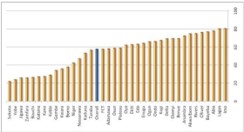
Figure 1: Literacy rates across Nigerian states; https://www.nigerianstat.gov.ng/elibrary/read/43.
While Nigeria boasts a relatively high level of adoption of digital health comparable to the United States, comparative analysis indicates the gross contrast in capacity, leadership, and accountability Issues Nigeria faces within this sphere. Clear leadership and Accountability mechanisms for data security are both basic characteristics for efficiency in this sphere, challenges in capacity and resource allocation [34], this is suppported by the the Guardians, stating that the gap in eduction between the northern region and southern region are yet to be closed despite allocations of resource to meet up with other regions.
Regulatory frameworks
The rapid evolution of health technology poses challenges for regulatory frameworks, which must balance innovation with patient safety and protection. The variety of newly implemented telemedicine services is an ongoing natural experiment presenting an unparalleled opportunity to develop an evidencebased way forward [35]. A frequent marketing tactic for manufacturers to downplay or occasionally deny the shortcomings of their equipment or products; some of these problems still exist mostly because there are no regulatory guidelines in this new and rapidly evolving field of health. Abayomi [12] stresses that the major challenges facing eHealth in low-income environments include: Regulatory gaps and paralysis of will in policy implementation, Institutional readiness in adoption, and economic constraints.
Notable cyber-attacks have primarily been directed at financial institutions and consumers, but their potency towards the health industry remains. Although the Cyber Act provides or creates an effective unified and comprehensive normative and institutional structure for the prohibition, prevention, detection, arrest, prosecution, and punishment of cybercrimes in Nigeria [36], it still however faces problems in enforcement and effectiveness in the face of fasting changing landscape of technological advancement The comparative lack of technological resources and cybersecurity expertise in Nigeria contrasts starkly with the sophisticated cybersecurity infrastructures observed in the United States. However, both countries share the common challenge of enforcing regulations effectively amidst rapidly evolving digital landscapes [34]. This scenario necessitates a continuous review of privacy frameworks and the adoption of international best practices to safeguard patient data effectively. Despite health applications becoming ubiquitous and with enormous potential to facilitate self-management, regulatory challenges such as poor application quality, breach of data privacy and limited interoperability have impeded their full adoption [37], for instance, although committee was set in 2003 to frame a regulatory framework for this sphere, Unfortunately, it took the Nigerian government over a decade to enact a cybercrime legal and regulatory framework after being exposed to the severe negative implications for national economic development, national security, international relations and also human rights and human security [38], this problem continued to persist even after these enactment were set as highlighted; In Nigeria, the implementation of the Nigeria Data Protection Regulation (NDPR) has set a regulatory framework aimed at protecting personal data, yet compliance remains a struggle for many healthcare providers due to infrastructural and financial constraints [39] Outside tghe scope of data safety and protection are concerns on the completeness and accuracy of data in the Nigerian health care system is a challenge. Studies have shown that the data quality, and by extension data integrity, has been suboptimal and thus poses a barrier to strengthening service delivery [40]. Nigerian Institute of Medical Research (NIMR) and Lifebank claimed to have improved the integrity and accuracy of their collated data through process automation, almost all data collection by the test center was now automated, thereby minimizing the proportion of inaccurate and repeat entries in comparison to data collected in other parts of the same center [40] also the validation and verification feature ensured that patients’ contact information was validated [40].
Technological complexity
Digital technology has seen a wide range of adoption in the healthcare systems around the world, while progress is continually being made, problems are likely encountered in the same manner, These intelligent devices not only assist people in pursuing a healthier lifestyle but also provide a constant stream of health care data for disease diagnosis and treatment by actively recording physiological parameters and tracking metabolic status [41,42].
This overview explored how digital health solutions aid PHC delivery and UHC realization within the northeastern Nigerian region, erku, writes about targeted technologies in healthcare sector, their cons, and pros, the challenges and extent of applicability of the preferred solution to the obvious challenges, he summarizes the need for a well-functioning digital ecosystem featuring adaptable, interoperable digital tools, robust Information and Communications Technology [43], and the Prerequisites for optimal implementation and flawless operation require Facilities with better digital literacy, motivated staff, and adequate funding demonstrated a higher adoption of eHealth technologies, leading to improved, coordinated service delivery and higher patient satisfaction [43]. While Erku argues and maintains that digital literacy, enabling environmental and psychological factors such as motivated Staff and incentives would reflect in the scoreboard of digital health integration, Goncalves however argues that efficiency and profitability are enjoyed depending on the complexity of a procedure or technological device; Two studies reported data on technical problems, reporting few difficulties. Mobile technologies used by primary care providers to consult with hospital specialists. We assessed the certainty of evidence for this group of trials is moderate to low [44]. Foundations, and enabling environments pivotal for eHealth interventions. Either form of technology introduced, whether targeted at the consumer end base or used by healthcare providers requires training, which further strains with the limited available resources in these poor regions, another challenge is sophisticated medical technologies more often than not operate for a short period and are hardly reservice to resume operation, this is in part due to the shortage of skilled biomedical engineers and or inadequate biomedical engineering
Training, there are currently only 10 instutions offering courses in biomedical engineering, all of which are out of reach of Northern residents, this lack of institutions within the northern zone risks excerbating the problem. the gross deficit in the maintenance of biomedical facilities, and the mismanagement of resources allocated to the hospital biomedical unit by the management, coupled with a poor maintenance culture [42]. While the utilization of telemedicine can offer wider coverage of the population in accessing medical services, This is only possible under ideal settings, in northern Nigeria, as observed by [45], the high computer illiteracy rates among the targeted population, which were pregnant women in his studies, served as the The first barrier to deal with, poor access to the internet, was also an issue that was observed in this study.
Interoperability
Among other factors stalling the progress in research, development, and adoption of digital technology into healthcare is the lack of standardization and interoperability between different health technologies and systems. This might hinder the sharing of patient data and compromise care coordination, For instance, the need for cooperation between Hospital Management Services with Law Enforcement Agencies towards the implementation of the pivotal Nigeria Data Protection Regulation (NDPR) enhancing the privacy and security of personal data, which as earlier stated in this study, Nigeria alike the United States significantly adopted Digital Technologies in the health sector, yet despite strict laws on data protection, reported an estimated 34.9% of healthcare organizations reported breaches in 2023 alone, this institutions were compelled by the Regulatory Act for Notification of Data Breaches. As [46] notes; enforcement mechanisms and penalties have not been consistently applied, which diminishes the overall effectiveness of the regulation in protecting patient privacy.
The need for inter-organizational cooperation is also important in achieving a better result. A study conducted by Olufunlayo [47] reaffirms the notion of a lack of adequate infrastructure, a deficit in human resources, and an electronic/digital deficit. These findings were mainly based on the Pan American Health Organization rankings and assessment of health institutions. A little over a third (37.5%) of all institutions used electronic health records for consultation; less than a fifth (16.7%) had a specific budget line for TM [47], Overall, the median maturity level was 2.0 (1.75) indicating beginner level, Nigerian federal medical centers were scored 1.75 which is the beginner level, most points were lost to the digital environment.
Data safety
In Nigeria, the introduction of the Nigeria Data Protection Regulation (NDPR) in 2019 marked a significant step toward enhancing the privacy and security of personal data across various sectors, including healthcare. This regulation, inspired by the General Data Protection Regulation (GDPR) of the European Union, aims to safeguard personal data and enforce compliance by imposing stringent guidelines and penalties [34], this move although belated has been applauded by experts as a step in the right direction, furthermore enactments in line with the goal of Data Protection included the appointment of Data Protection Officers although few Health institution benefited from this as remote health facilities have been largely excluded, These officers play a crucial role in implementing data protection measures, conducting audits, and ensuring that patient data is handled ethically and legally [48], yet still, Despite the NDPR’s clear guidelines, implementation across Nigeria’s healthcare sector has been uneven. The lack of technical expertise and financial resources to support comprehensive data protection measures remains a significant barrier, especially for smaller healthcare facilities in rural areas, attempts to remedy the knowledge inadequacy are already in motion as: To strengthen data protection practices, several state health departments have initiated training programs for healthcare workers on the importance of data privacy and the use of technology in data security [34]. Furthermore, enforcement mechanisms and penalties have not been consistently applied, which diminishes the overall effectiveness of the regulation in protecting patient privacy [46].

The positive impact attainable through the adoption of ICT in the healthcare system in northeastern Nigeria is inestimable, likewise, the adoption raises critical issues which, if unaddressed, could lead to unfortunate consequences stemming from data leakage. For example, a device designed to be utilized in monitoring falls in senior individuals, as previously mentioned in this study; must be supplied with private and relatively sensitive data, including information that raises privacy concerns. Considering the prevalence of internet crimes, data security needs to be prioritized. Statistics indicate that a sizable portion of these crimes are caused by end users’ or consumers’ carelessness, inadvertently granting access (user mistake). These flaws seek redress with rigid methods such as multiple intelligent verifications for consent and 2-factor authentication, among others. Users also need to be properly educated on the Danger of data theft as highlighted; These training sessions are designed to ensure that all healthcare personnel are aware of the legal and ethical requirements of handling patient data and are competent in using advanced security systems [49] likewise education of users when handling their information or devices containing information that could jeopardize the integrity of their Data safety, it’s also important to harness the potential of ISCT in research and medical industry, however, credibility must first be established; while this is usually a tedious and complex process involving the critical assessment of every sub-model which potentially would be integrated into the simulation model, there are many complex ways by which health devices can interact with the host/patient, this would save research cost and time and might eliminate the need for clinical trials. A comprehensive strategy is essential to facilitate the adoption of eHealth in local health centers while establishing regulatory frameworks to guide this development. Furthermore, promoting interoperability across relevant sectors is vital for enhanced efficiency and management. The 2015 Cybercrime (Prohibition and Prevention) Act, along with its recent revisions, represents significant advancements; however, measures must be implemented to address the misuse and inefficiency encountered during the execution of the 2015 Act amongst other Regulatory and Data Protection Acts, the need for capacity building cannot be overstated (introduction of more Biomedical engineering courses in institutions specifically in this areas lacking such experts the most) and the need for cooperation to extend beyond national borders and lastly, Enhanced Enforcement Mechanisms which should extend beyond penalties for non-compliance with prescribed laws and guidlines but inclusion and intermitent auditing, policy assesment and recommendation based on outcomes of processes. More so, allocated resource must be prudently monitored to ensure strictest compliance with the designed goal.